Applying for a New Zealand eTA is usually straightforward, but it’s still worth taking the time to get it right. Even small oversights can lead to delays, extra questions before departure, or issues when you arrive in New Zealand.
In this post, we explain common New Zealand eTA errors and the key things to know about New Zealand's entry requirements.
Applying with the wrong passport details
One of the most common NZeTA mistakes is entering passport details incorrectly.
Your NZeTA must match the passport you use to travel to New Zealand. If the passport number, nationality, name or date of birth you enter is wrong, your travel authorisation will not be correctly matched when you check in.
Before submitting your application, double-check that the following details are accurate:
- Passport number
- Full name, exactly as it appears in your passport
- Nationality
- Date of birth
- Passport issue and expiry dates
If you have already received your NZeTA and notice an error, you must amend it or make a new application before you travel.
Using an expired or soon-to-expire passport
You cannot apply for an NZeTA with an expired passport. Authorities require all visitors to hold a valid passport or travel document to travel to New Zealand.
The NZeTA is valid for up to 2 years, or until your passport expires, whichever happens first. If your passport will expire soon, it’s best to renew it before requesting your eTA for New Zealand.
To comply with entry rules, your passport should not expire until at least 3 months after your planned departure date from New Zealand.
You may also face problems if your passport has been:
- Damaged
- Reported lost or stolen
- Invalidated by the issuing country
Remember: If you renew your passport, you need to apply for a new eTA with your updated passport details. Any previous travel authorisation will no longer be valid.
Choosing the wrong reason for travel
The NZeTA is for eligible travellers visiting New Zealand for short stays, transit, tourism, visiting family, certain business activities, or cruise travel. It’s not the same as a work visa or a long-term residence visa.
You should make sure your reason for travel matches the permitted activities for the NZeTA. For example, you should not use an eTA if your real purpose is to work for a New Zealand employer.
If your circumstances have changed since your NZeTA was approved, you may be questioned at the border. Authorities can refuse entry if you appear not to be a genuine visitor or if your circumstances have changed since your travel authorisation was approved.
Forgetting your ticket out of New Zealand
Travellers using an NZeTA may need to show proof of travel out of New Zealand. This can be a return ticket or an onward travel booking to another country that you have the right to enter. At check in or on arrival, you may be asked to provide:
- Your NZeTA confirmation email
- A current passport that matches your NZeTA
- Proof that you will leave before your permitted period of stay expires
- Evidence that you have enough money for your stay
Keep these documents easy to access, either printed or saved on your phone, so you’re ready for border control.
Not having enough money for your stay
Having an approved NZeTA does not automatically guarantee entry into New Zealand. You may still be asked to show that you have enough money to cover your living costs while you’re in the country.
New Zealand authorities state that you should have at least NZD $1,000 per month, or NZD $400 per month if your accommodation has already been paid for. You may also meet this requirement if you have a financial sponsor in New Zealand.
Before travelling, check that you can provide evidence such as:
- Recent bank statements
- Credit card statements
- Proof of prepaid accommodation
- Sponsorship documents, if applicable
Ignoring health, character or border requirements
Even if you have an approved NZeTA, it’s still possible for authorities to refuse entry if you don’t meet New Zealand’s character, customs, or health requirements.
When you apply, it’s essential to declare all your details accurately, especially:
- Previous criminal convictions
- Prior immigration issues
- Health-related declarations
- Goods, food, plants or animal products you are bringing into New Zealand
If a question applies to you, answer it fully and truthfully. Giving incorrect or incomplete information can create problems at the border.
Forgetting the New Zealand Traveller Declaration
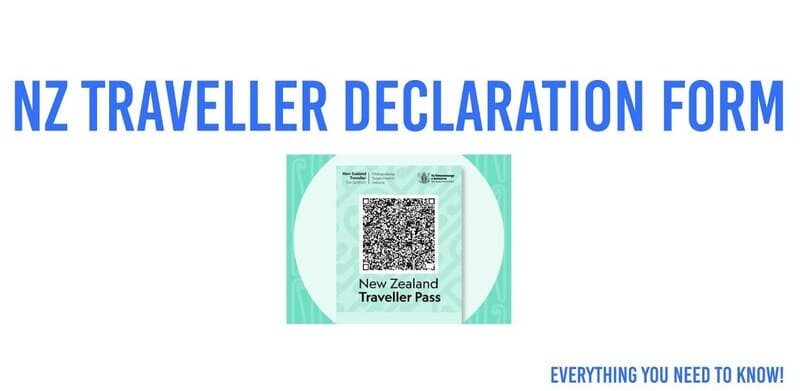
All visitors must complete a New Zealand Traveller Declaration, whether you hold a visa, NZeTA, or can enter visa-free. The declaration collects travel, customs, immigration and biosecurity information.
It must be submitted by the time you reach passport control in New Zealand. You need to complete a declaration for each traveller in your party, including babies and children.
Make sure the passport used for your declaration matches the passport linked to your NZeTA. Your declaration is checked when you arrive at the eGate or by a border officer.
What to check before you travel
Before leaving for New Zealand, check that you have everything you may need at check-in and on arrival.
Make sure you have:
- Passport with at least 3 months of validity after you leave New Zealand
- Approved NZeTA or visa (as required)
- Completed New Zealand Traveller Declaration
- Proof of onward or return travel
- Evidence of enough money for your stay
- Any supporting documents relevant to your trip
If you have left your travel preparations to the last minute and need your NZeTA urgently, apply as soon as possible via the Fast Track.
Can you still be refused entry with an approved NZeTA?
An approved NZeTA lets you travel to New Zealand, but entry permission is confirmed when you arrive.
Even with an approved eTA, you can still be refused entry permission if you’re not a genuine visitor or if you don’t meet the character requirements.
If your circumstances, like your reason for travel, have changed, you refuse biometric checks, or cannot provide evidence of onward travel or the money required to leave New Zealand, your eTA may be revoked.
That’s why it’s important to understand the requirements carefully and prepare all of your documentation ahead of time.
How to avoid NZeTA problems
The easiest way to avoid NZeTA problems is to check everything carefully before you submit your application. You should:
- When you apply, use the same passport you will travel with.
- Enter your name exactly as it appears in your passport.
- Check your passport expiry date.
- Choose the correct reason for travel.
- Keep proof of onward travel.
- Make sure you have enough money for your stay.
- Complete your New Zealand Traveller Declaration before arrival.
- Update your details if something changes.
Taking a few minutes to check your information can help reduce the risk of delays at check-in and issues at the New Zealand border.